Quartz Glass Cutting
Quartz glass cutting requires more than basic material separation. Part geometry, edge quality, dimensional accuracy, and production volume all affect the right processing approach.
This page highlights common quartz glass cutting examples for tubes, rods, and plates, while outlining the main cutting methods and what buyers should compare before selecting a supplier.
What Makes Quartz Glass Cutting Different?
Quartz glass offers excellent heat resistance, chemical resistance, and optical performance, but it is also a brittle material that requires careful handling during cutting and finishing.
Compared with easier-to-process materials, quartz often demands tighter control of edge quality, dimensional accuracy, and crack prevention. The best cutting method depends on the part shape, wall thickness, required finish, and downstream use.
Common Quartz Glass Cutting Methods
Quartz glass can be processed using several cutting approaches, depending on the part type and production requirement. Common methods include snap cutting for simpler tube work, mechanical or wet cutting for controlled material removal, and laser-based cutting for applications that require flexibility with shape or precision.
In many cases, cutting is only one part of the process. Grinding, edge finishing, or other secondary steps may also be needed to achieve the required quality.
Quartz Glass Cutting Examples by Part Type
Typical quartz glass cutting work includes tubes, rods, plates, and other custom forms. Straight cuts, angle cuts, cut-to-length parts, and feature-based processing may all be required depending on the application.
For B2B buyers, examples matter because processing needs can vary widely by part geometry, wall thickness, finish requirement, and production scale.
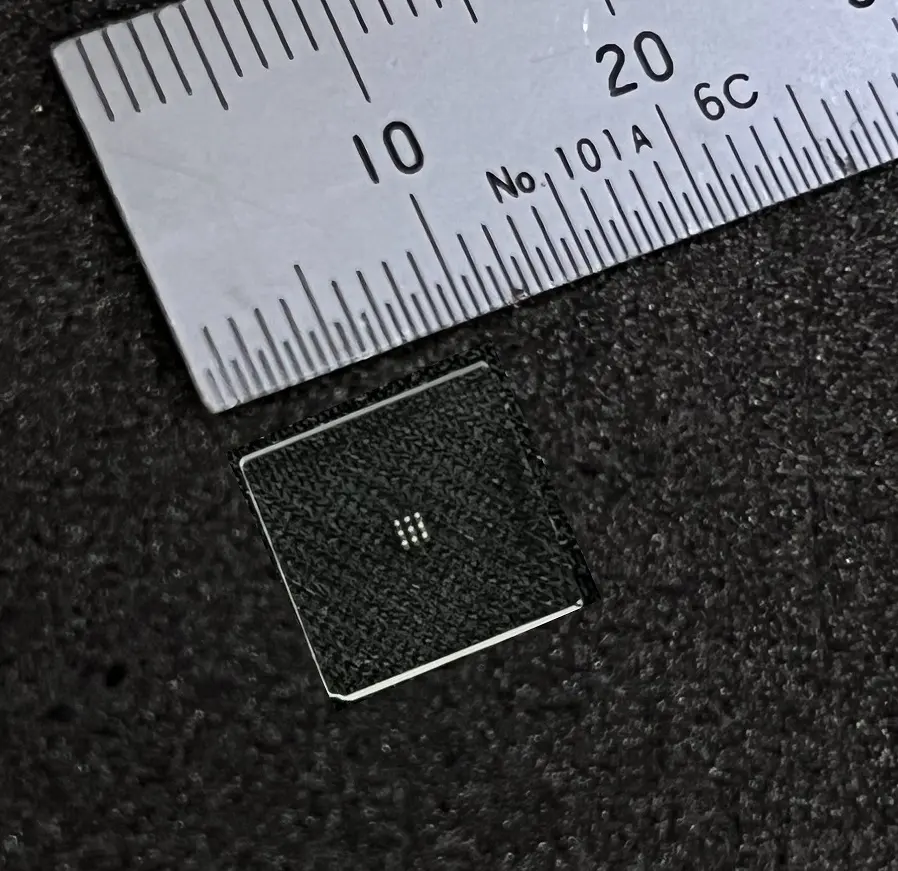
Quartz Cutting Examples
Koyo High Precision
Source: Koyo High Precision Official Website (https://koyohighprecision.com/materials/#quartz)
- Ø0.2 Hole Machining
- Pitch: 0.4 mm
- Thickness/Depth: 2.0 mm
Company Information
| Company Name |
Koyo High Precision Co., Ltd. |
| Location |
Churaku Tamaki-cho
Watarai-gun, Mie 519-0412
Japan |
| Telephone |
+1-847-593-7000 |
| Website |
https://koyohighprecision.com/ |
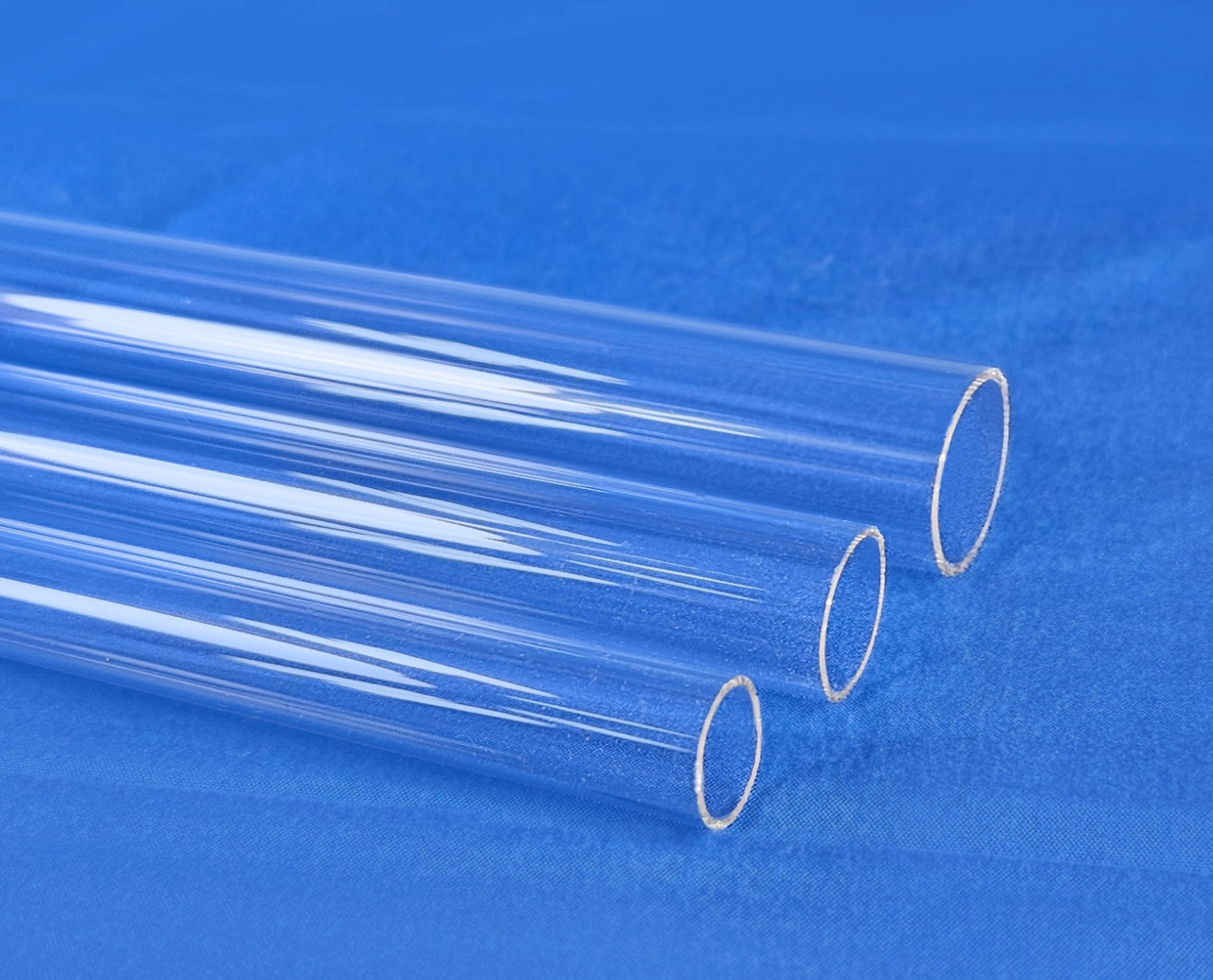
Quartz Supply
Source: Quartz Supply's Official Website (https://quartzsupply.com/quartz-beads-cfq/quartz-tubes/)
- Quartz Tubes
- 3 mmx 5mm x 5mm Quartz Tubes - Per Ounce
- 4 mmx 6mm x 6mm Quartz Tubes - Per Ounce
Company Information
| Company Name |
Great Lakes Glasswerks, Inc. (DBA QuartzSupply.com) |
| Location |
360 West Prospect Street
Painesville, Ohio 44077
USA |
| Telephone |
+1-440-358-0460 |
| Website |
https://quartzsupply.com/ |
What B2B Buyers Should Compare
Before choosing a quartz glass cutting supplier, buyers should compare more than basic cutting capability. Material quality, dimensional accuracy, edge condition, available secondary processing, and the supplier’s ability to handle prototype or production work can all affect the outcome.
A useful comparison should also consider whether the supplier can support the required part form, custom specification, and finish level for the intended application.
Conclusion
Quartz glass cutting requires the right balance of material handling, process selection, and finishing quality. Because requirements can vary by part type, geometry, tolerance, and production volume, buyers should compare cutting options in the context of their actual application.
Reviewing examples and selection points side by side can make it easier to identify the most suitable approach for quartz tubes, rods, plates, and other custom parts.